Yoga Poses: Complete Guide to Flexibility, Strength & Peace
Yoga poses have proven themselves over the ages as one of the most effective tools for physical improvement, clarity of mind, and emotional balance. Practiced for centuries, the movements, breath, and mindfulness of yoga mold the body into harmony with the mind. Whether you are a beginner or an expert, knowing the right postures can surely change your everyday life. Start your journey today and discover how yoga poses can transform both your body and mind.
What Are Yoga Poses and Why Do They Matter?
Also known as asanas, these are physical postures that combine movement, breath control, and mindfulness to strengthen and balance the body. Regular practice improves flexibility, builds muscle strength, and supports both physical and mental well-being for people of all ages and fitness levels.
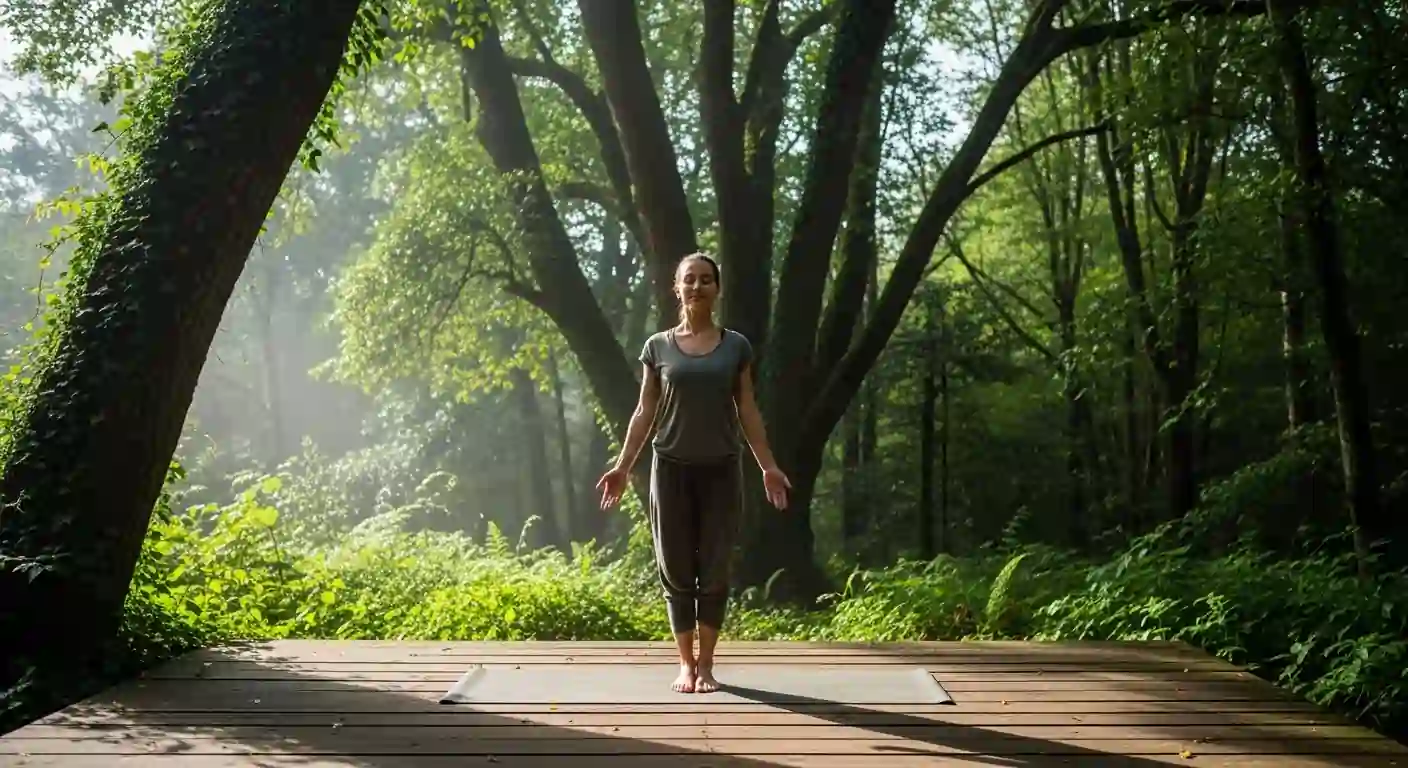
Benefits of This Practice for Overall Health
Through consistent practice, the body gains flexibility, strength, and improved posture. This discipline makes a real difference by relieving stress, improving blood circulation, and aiding digestion. Unlike high-intensity workouts, yoga is gentle on the joints — making it a perfect exercise for all ages. Key benefits include:
- Improved flexibility and muscle tone
- Reduced stress and anxiety
- Better blood pressure and heart health
- Enhanced mental clarity and focus
- Relief from chronic pain and stiffness
Basic Yoga Poses for Beginners
Simple postures for beginners help build balance and confidence from day one:
- Tadasana (Mountain Pose): Improves posture and body alignment
- Adho Mukha Svanasana (Downward Dog): Stretches spine, hamstrings, and shoulders
- Balasana (Child’s Pose): Relieves stress and deeply relaxes the body
- Vrikshasana (Tree Pose): Increases focus, stability, and balance
These foundational asanas prepare your body for more advanced movements.
Postures for Strength and Flexibility
Movements like Warrior Pose, Cobra Pose, and Plank Pose develop the core, arms, and legs while promoting better spinal flexibility. Regular practice of these asanas also relieves stiffness and muscle tension throughout the body.
Asanas for Stress Relief and Mental Calm
Stress management is one of the greatest benefits of this practice. Postures like Seated Forward Bend, Legs-Up-The-Wall, and Corpse Pose (Savasana) calm the nervous system and ease anxiety. Combined with deep breathing and pranayama, these movements promote deep relaxation and mental clarity.
How to Practice Safely: Tips for Beginners
To get the most benefit from your sessions, keep these tips in mind:
- Practice on an empty or light stomach
- Always warm up before your session
- Focus on your breath during every movement
- Never push your body beyond its comfort zone
- Use props like blocks or straps if needed
- Stay consistent — even 3 sessions per week makes a big difference
Conclusion
Incorporating this powerful practice into your daily routine can do wonders for both physical health and mental well-being. With patience and regular effort, you will build balance, strength, and inner peace — making it a perfect foundation for a healthy lifestyle.