First Lady Lawyers of Every Nation: The Women Who Rewrote Legal History
She walked into a courtroom that was never built for her. No robe. No precedent. No permission. Just courage, a law degree, and the quiet refusal to be turned away.
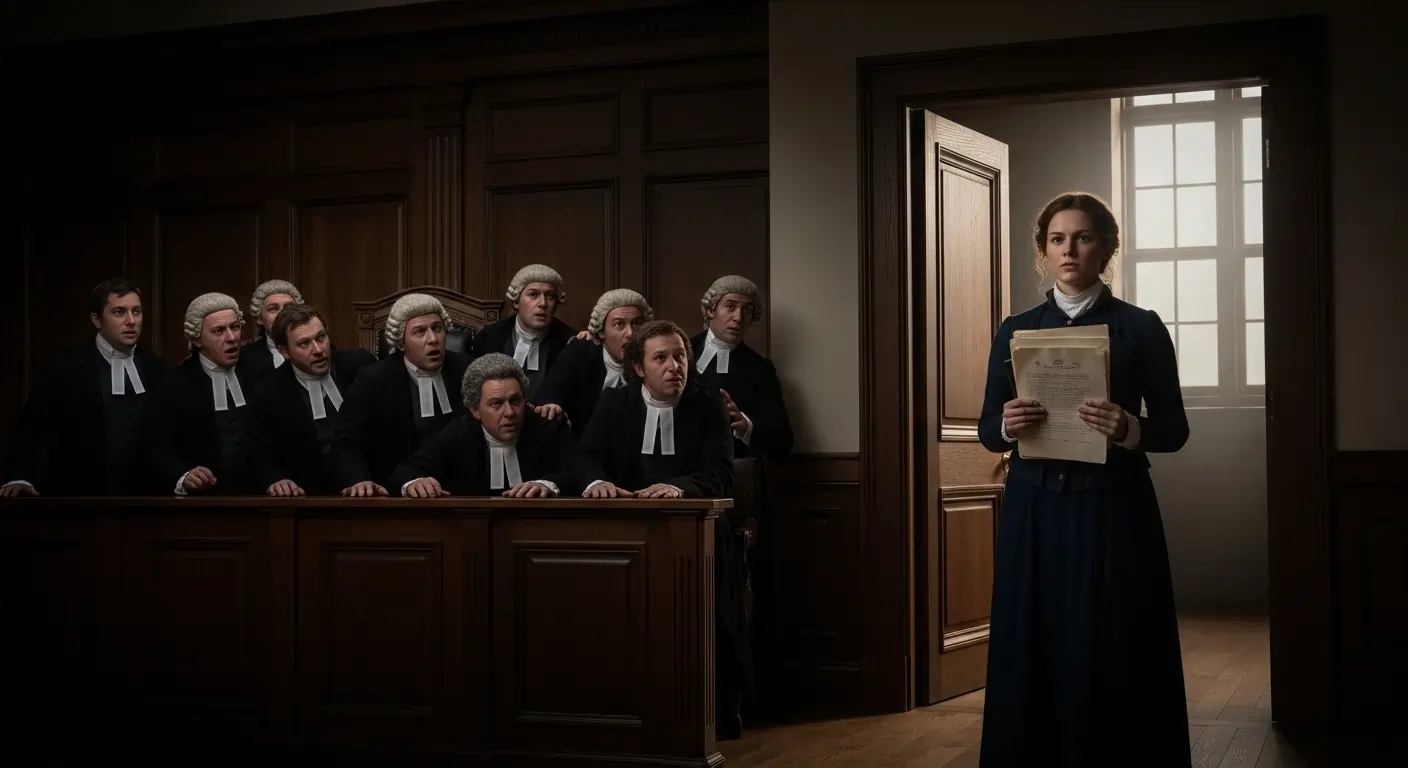
The story of the first lady lawyers of every nation is not just a legal story. It is a human story about women who looked at a profession locked from the inside and found a way through anyway. These women did not wait for permission. They earned it, fought for it, and in many cases, went to court to get it.
Right now, women make up over half the law school enrollment in the United States. But a century ago, and far more recently in many countries, a woman even sitting for a bar exam was seen as radical. Let’s get into it.
Who Were the First Lady Lawyers of Every Nation?
The truth is, the history of women in law did not start in one courtroom. It started in many, at the same time, stubbornly, and with great personal cost.
United States: Arabella Mansfield (1869)
On June 15, 1869, a woman named Belle Mansfield walked into an Iowa bar examination room and walked out as the first female lawyer in the United States. She had not attended law school. She studied at her brother’s law office for two years, sat the exam, and outperformed most of her male counterparts.
The law at the time said women could not be admitted. The examining judge read the statute differently. He found nothing in it that actually prevented her admission. One honest reading of one law changed American legal history.
Arabella never practiced actively. But her admission cracked open a door that millions of women later walked through.
United Kingdom: Ivy Williams (1922)
Across the Atlantic, the UK took longer. The Sex Disqualification Removal Act of 1919 finally made it legal for women to practice law in Britain. Ivy Williams became the first woman called to the English bar in 1922. Helena Normanton followed shortly after and became the first woman to actually work as a barrister in practice.
Normanton put it plainly. She did not think of herself as a woman lawyer. She thought of herself as a lawyer. Then she got on with it.
India: Cornelia Sorabji (1923)
Cornelia Sorabji studied law at Oxford in 1892, decades before women were formally allowed to practice in India. She defended a murder case in Indian courts in 1896. But formal legal credentials were denied to her on technicality after technicality for years.
It was not until 1923, when India passed the legal provision allowing women advocates, that Sorabji could formally practice. She spent most of her career representing women in purdah, women with no legal voice of their own, who had no one else to speak for them in court.
That is what the first lady lawyers of every nation actually did. They did not just build careers. They built access for people who had none.
Canada: Clara Brett Martin (1897)
Clara Brett Martin became the first woman lawyer in Canada and the entire British Empire when she was called to the Ontario bar in 1897. The Law Society of Upper Canada fought her admission at every step. Parliament had to pass a special law just to allow her to write the exams.
She passed. Then they changed the rules again. Then she passed again.
New Zealand: Ethel Benjamin (1897)
Ethel Benjamin earned her law degree from the University of Otago without knowing if she would ever be allowed to practice. She was called to the bar the same year as Clara Brett Martin, 1897, making her the first female lawyer in New Zealand and the first woman to appear as counsel in any case in the British Empire.
Her colleagues largely ignored her despite her skills. She kept showing up anyway.
Italy: Lidia Poet (1883 to 1920)
Lidia Poet qualified in 1883. She was promptly removed from the bar register, not because she failed anything, but because Italian law formally shut women out of practice. She continued doing limited legal work alongside her brother until 1920, when she re-registered at age 65 after Italy passed a new law in 1919.
Sixty-five years old. Still showing up. That is what real commitment looks like.
Pakistan: Salma Sobhan and the Milestones After Her
Pakistan’s legal history for women is layered and more recent than most people realize. Salma Sobhan became the first female lawyer in Pakistan in 1959. Khalida Rashid Khan became the first female judge of the Superior Judiciary in 1969. Justice Majida Rizvi was appointed the first woman judge of a High Court in Pakistan in 1994.
Most recently, Justice Ayesha Malik became the first woman to serve on the Supreme Court of Pakistan in 2022, a milestone that came more than six decades after Salma Sobhan first earned her law degree.
Japan: Masako Nakata (1940)
Japan’s Meiji University became the first school to make it possible for female students to study law in 1929. But formal bar admission for women did not happen until 1940, when three women were admitted at the same time: Masako Nakata, Yoshiko Mibuchi, and Ai Kume. Nakata later became the director of the Japan Federation of Bar Associations. Kume became the founding chair of the Japan Women’s Bar Association.
Romania: Sarmiza Bilcescu (1891)
Sarmiza Bilcescu became the first female lawyer in Romania in 1891, making her one of the earliest women lawyers across all of Europe. Her admission came against serious resistance from institutions and remains a strong chapter in European legal history.
Saudi Arabia: Bayan Mahmoud Al-Zahran (2013)
One of the most recent firsts in global legal history happened in 2013. Bayan Mahmoud Al-Zahran and three of her peers became the first Saudi Arabian women granted a license to practice law. Although female law students had been graduating from schools in Saudi Arabia for five years before that point, they had been kept out of courtrooms. Al-Zahran went on to found Saudi Arabia’s first all-women law firm in 2014.
What These Women Actually Faced
The biggest mistake people make when reading about these women is treating the barriers they faced as unfortunate footnotes. They were not. They were the main story.
Here’s the thing. These women were not just fighting bias. They were fighting written law. Courts in India ruled that the word “person” in legal statutes did not include women. The US Supreme Court ruled that the Constitution did not give women the right to practice a profession. Bar associations simply refused to let women sit exams.
What did they do? They studied harder. They petitioned legislatures. They filed appeals. And they kept going.
The Pattern Across Nations
When you look at the first lady lawyers of every nation together, a clear pattern comes up.
Most firsts happened between 1869 and the 1940s in Western and South Asian countries. Many women were admitted to study law but kept from practicing for years or even decades after. Almost all of them faced formal legal exclusion, not just social pressure. The women who broke through often did so by finding a sympathetic judge, a forward-thinking law school, or a statute with enough room to work with.
And almost without exception, they did not just practice law. They pushed to change it. They worked for women’s voting rights, child welfare, anti-discrimination laws, and access to justice for people who could not afford it.
Why the First Lady Lawyers of Every Nation Still Matter Today
Honestly, this is not old history.
Saudi Arabia’s first licensed female lawyer practiced just over a decade ago. Justice Ayesha Malik joined Pakistan’s Supreme Court in 2022. Sue Carr became the first woman to head the entire judiciary of England and Wales in 2023. Mandisa Maya became South Africa’s first female Chief Justice in 2024.
The firsts are still happening.
And in countries where women are formally allowed to practice but still face real barriers, limited client access, cultural pressure, unequal pay, and glass ceilings in senior positions, the work these women started is still not finished.
The women who walked into those courtrooms without permission did not just change who could be a lawyer. They changed who the law could actually serve.
Countries at a Glance: First Lady Lawyers Timeline
| Country | First Female Lawyer | Year |
|---|---|---|
| Serbia | Marija Milutinovic | 1847 |
| United States | Arabella Mansfield | 1869 |
| Romania | Sarmiza Bilcescu | 1891 |
| Canada | Clara Brett Martin | 1897 |
| New Zealand | Ethel Benjamin | 1897 |
| United Kingdom | Ivy Williams | 1922 |
| Italy | Lidia Poet (formal practice) | 1920 |
| India | Cornelia Sorabji (formal) | 1923 |
| Japan | Masako Nakata | 1940 |
| Pakistan | Salma Sobhan | 1959 |
| Saudi Arabia | Bayan Mahmoud Al-Zahran | 2013 |
FAQs: First Lady Lawyers of Every Nation
Who was the first female lawyer in the world?
The earliest documented case is Marija Milutinovic of Serbia in 1847. In the modern legal sense, Arabella Mansfield of the United States is widely recognized as the first woman formally admitted to a bar in 1869. But women argued in courts informally far earlier, with some colonial American records showing women taking cases as early as the 1600s.
Who was the first female lawyer in Pakistan?
Salma Sobhan became the first female lawyer in Pakistan in 1959. Justice Ayesha Malik later became the first woman on the Supreme Court of Pakistan in 2022, making it one of the most recent major milestones in Pakistani legal history.
Why were women banned from practicing law?
In most countries, written law either directly excluded women or used the word “person” in a way courts read to mean “man.” Bar associations, law schools, and legislatures all played a role in keeping women out. The barriers were built into the system itself, not just social attitudes.
How did the first female lawyers change legal history?
Beyond their own careers, the first lady lawyers of every nation pushed for laws that opened law schools to women, changed bar admission rules, and worked for voting rights and civil rights. Their reach went far beyond any individual case they handled.
Are women now equal in the legal profession worldwide?
Not yet. While women now outnumber men in law school enrollment in the United States, they remain underrepresented at senior levels in law firms, in judiciaries, and in many countries still face formal or cultural restrictions. The progress is real, but the work is not done.
What country had the most recent first female lawyer?
Saudi Arabia is among the most recent, with Bayan Mahmoud Al-Zahran receiving her law license in 2013. Several other Gulf and Central Asian nations have seen women enter formal legal practice only within the last two decades.
So Here’s the Bottom Line
The first lady lawyers of every nation did not ask to be remembered. They asked to do their jobs. They asked to represent clients, argue cases, and practice a profession they had studied and earned.
What they got instead was closed doors, denied applications, and rewritten rules. What they gave back was a changed profession and a stronger system of law for everyone who came after.
Every woman practicing law today, in any country, in any courtroom, stands on ground these women fought for. The least we can do is know their names.